There’s something powerful about words. Not just the grand, dramatic ones, but also the quiet phrases that pass between people late at night, the ones that build trust or open a door to something deeper. Words, at their best, become the string that connects hearts—even across barriers of time, distance, or difference.
That’s what makes one particular moment in the Gospels so surprising and honestly, a bit unsettling. In Matthew 15:21–28, Jesus has an encounter with a woman who, by all accounts, doesn’t belong. She’s an outsider, a person most people would walk right past without a second thought. When she comes to Jesus, desperate for help, He is silent at first. The silence is uncomfortable. Anyone who’s ever prayed and felt nothing but quiet can relate. Sometimes it feels like heaven itself is withholding a response.
When Jesus does speak, His words seem like a wall: “I was sent only to the lost sheep of Israel.” For anyone listening, that sounds like a polite way of saying, “You’re not on the list.” Then comes a statement that’s even harder: the image of children’s bread and dogs under the table. Even softened, this language stings. It’s easy to wonder why Jesus, who is supposed to embody compassion, would say something so sharp.
But maybe there’s more happening here than meets the eye. Maybe Jesus isn’t shutting her out, but inviting something out of her—and also exposing the boundaries that everyone else in the room takes for granted. The woman, instead of backing down or walking away, answers with humility and wit: “Even the dogs eat the crumbs that fall from the table.” It’s a line that reveals persistence, vulnerability, and faith that refuses to quit. At this moment, Jesus praises her. Her faith stands out not because of her background, but because she’s willing to hold on and hope.
This encounter isn’t just about one person’s miracle. It’s a window into how Jesus uses words—not only to challenge and provoke, but to heal, reveal, and invite us deeper. The bystanders, the disciples, and anyone listening then or now, are confronted with a new reality: faith can grow in the most unlikely places, and God’s grace doesn’t recognize the borders we build.
What we say matters. Our words shape our families, our churches, even the direction of our lives. Proverbs reminds us, “The tongue can bring death or life.” And as an ancient Christian thinker once put it, “Every word of Christ is medicine for the soul, even those that sting before they heal.” Sometimes, what feels like a hard saying is really an invitation to see what God sees and love as He loves.

If you want to explore this story more deeply, I’ve created a sermon resource that unpacks this encounter—the historical background, the cultural tensions, and the practical application for today. It includes a full manuscript and ready-to-use slides, designed to help churches, groups, and anyone curious about the surprising ways Jesus speaks and invites us in.
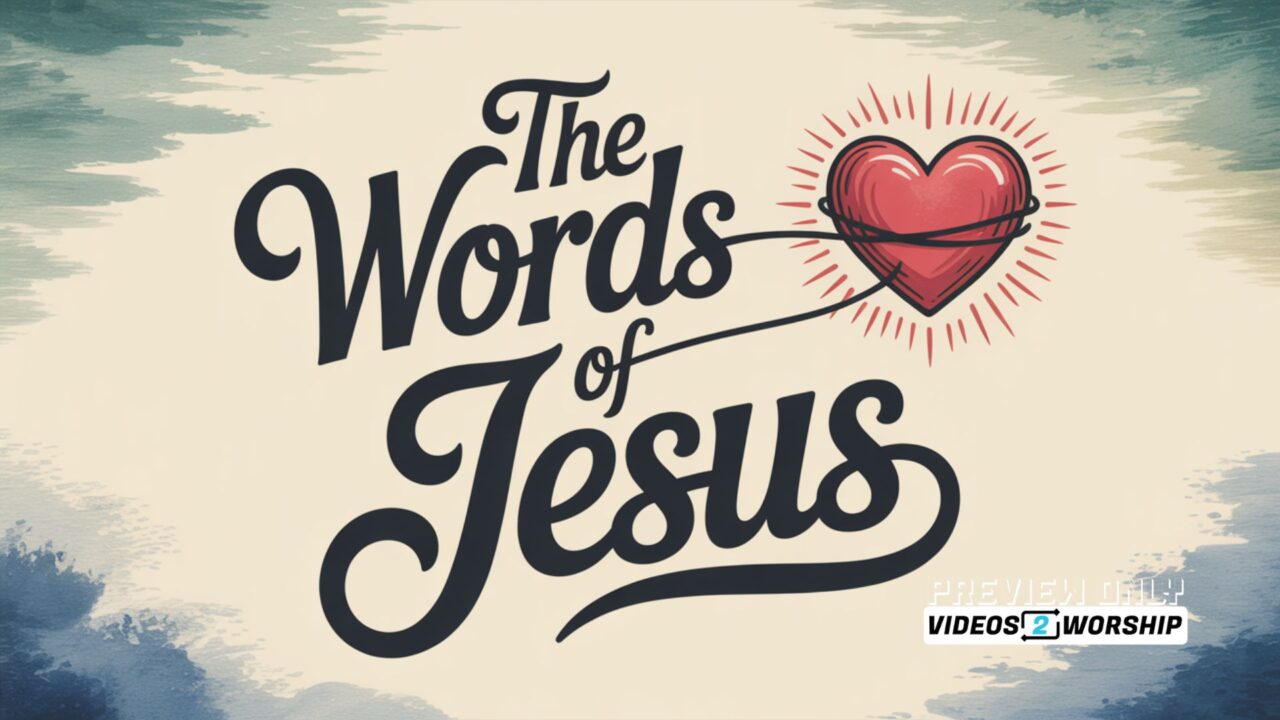
Words lead us somewhere. The words of Jesus, especially, have a way of drawing us right to the heart of God—even when the path is unexpected. Maybe that’s the invitation: to follow the string, even when it leads us into challenging places, and to trust that, in the end, grace always gets the final word.